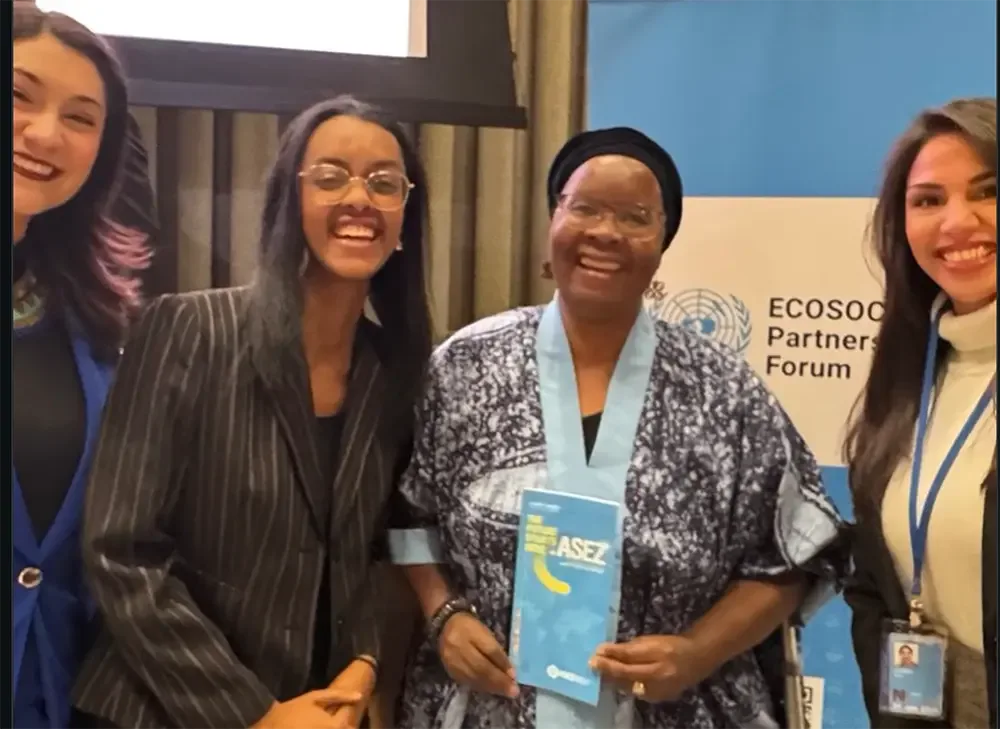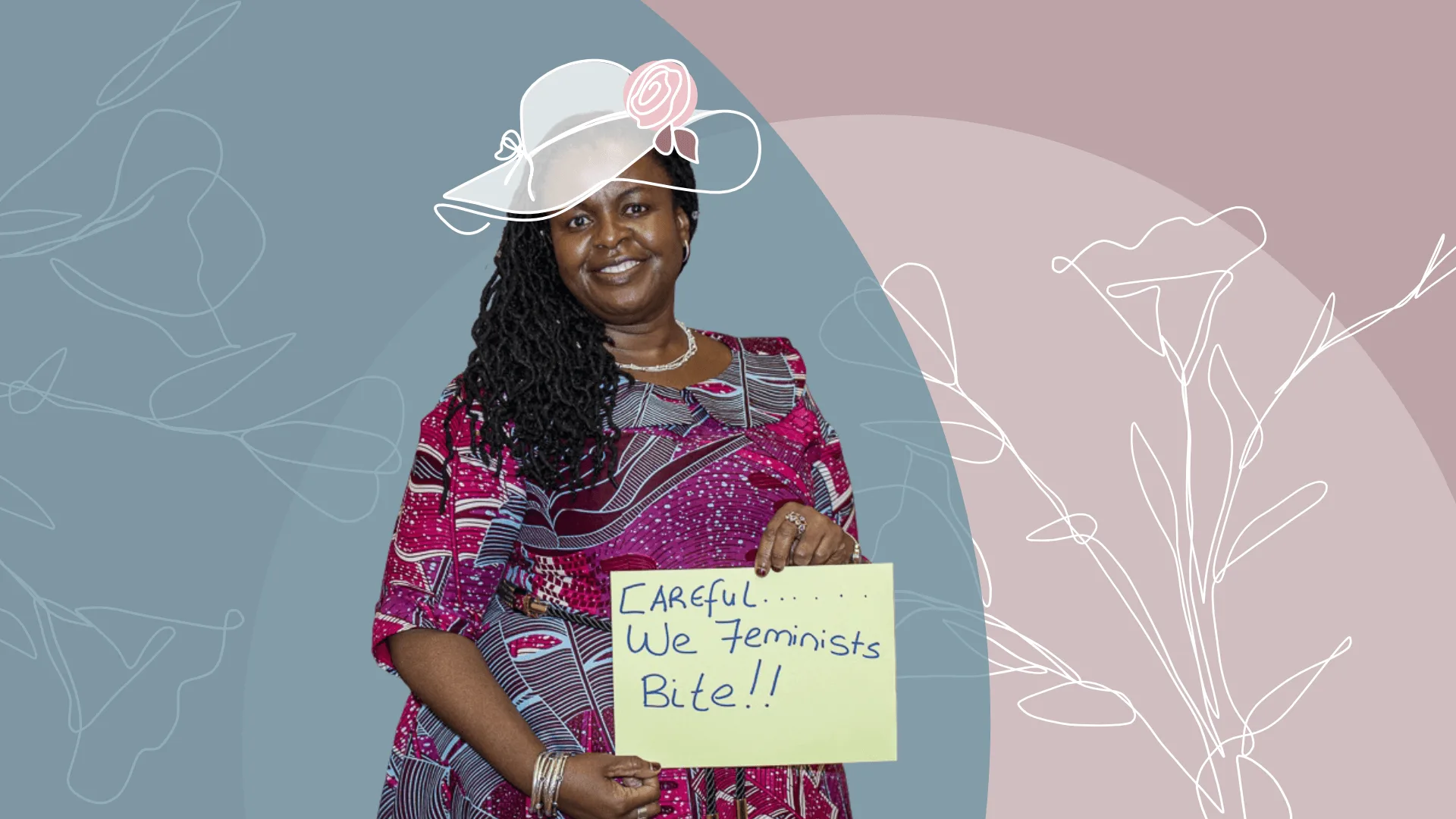

Some people lead by volume. EJ led by presence.
Not the kind of presence that fills a room with ego — the kind that steadies a room when things get difficult. The kind that makes you feel seen without demanding to be applauded. The kind that changes how you understand power.
When I think about what EJ taught me, I don’t start with a strategy document or a perfect theory. I start with a feeling: being near her made you want to become more human and more courageous at the same time.
1) Love is not softness — it is a discipline
EJ did not use love as a slogan. She practised it like a craft.
Love, in her hands, was:
- Attention — paying deep, honest notice to what people were carrying.
- Truth — saying the hard thing without humiliating anyone.
- Accountability — refusing to confuse comfort with care.
Leading with love is not avoiding conflict. It is choosing the kind of conflict that creates change rather than harm. It is holding the line, while still holding people.
2) You can be fierce and tender in the same breath
EJ had a rare ability to be both warm and uncompromising. She could challenge your thinking and still leave you feeling respected. That balance is not accidental — it is a political choice.
In feminist work, we talk a lot about systems and structures (and we should). But EJ never allowed the “big picture” to excuse small cruelties. She cared about language. She cared about how decisions landed. She cared about who got left behind in a meeting — and who got invited back in.
3) Mentorship is not “advice” — it is making room for someone to become
The best mentors do not clone themselves. They create space for you to find your own voice.
EJ made room. Not only for the confident ones, but for the nervous ones. The ones learning how to speak. The ones who arrived with too many doubts. She would listen you into clarity. She would ask a question that rearranged your entire perspective. Then she would laugh — because joy, for her, was never optional.
One of the most powerful things you can do for someone is to communicate: “I believe you have something to offer, and I’m not afraid of your becoming.”
4) Leadership means building a “we”, not collecting followers
EJ’s leadership did not depend on being central. She was committed to building movements where many people could lead — where leadership circulated, multiplied, and matured.
That meant:
- sharing credit and visibility
- introducing people to each other instead of gatekeeping
- making strategy understandable, not mysterious
- refusing the politics of scarcity
She lived a truth the movement needs to repeat: there is enough room in the sky for all birds to fly without colliding.
5) Joy is not a distraction — it is part of the work
EJ loved lipstick. She loved laughter. She loved style, ease, and the right kind of irreverence.
Joy was not an escape. It was a refusal to let struggle become a prison. It reminded us that we are not fighting for a theory; we are fighting for lives that can be lived fully.
A small invitation
If EJ taught us anything, it is that love becomes real when it becomes action.
- If you are looking for community, explore the Fellowship.
- If you want to understand the work, visit Our Work.
- If you feel moved to support, you can Donate.
May we lead in ways that make the future more possible — and the present more humane.