Power does not only operate through laws and police and money. It also operates through forgetting.
When movements are erased, it becomes easier to repeat violence. When feminist thinkers are reduced to a few quotes, it becomes easier to misuse their work. When stories disappear, it becomes easier to pretend nothing happened.
That is why memory is a radical act.
Archiving is not nostalgia — it is infrastructure
We archive because:
- we refuse to let feminist labour become invisible
- we refuse to let history be written only by the powerful
- we refuse to let future generations start from zero
Archiving EJ’s legacy is not about placing her in the past. It is about keeping her work available to the present — and useful to the future.
What does it mean to build “living memory”?
Living memory is a practice where remembering becomes a form of movement building. It can include:
- writings, speeches, interviews, and lectures
- photographs that carry context and meaning
- stories from comrades, friends, and family
- timelines that connect personal life to political struggle
- the everyday details that show a person’s full humanity
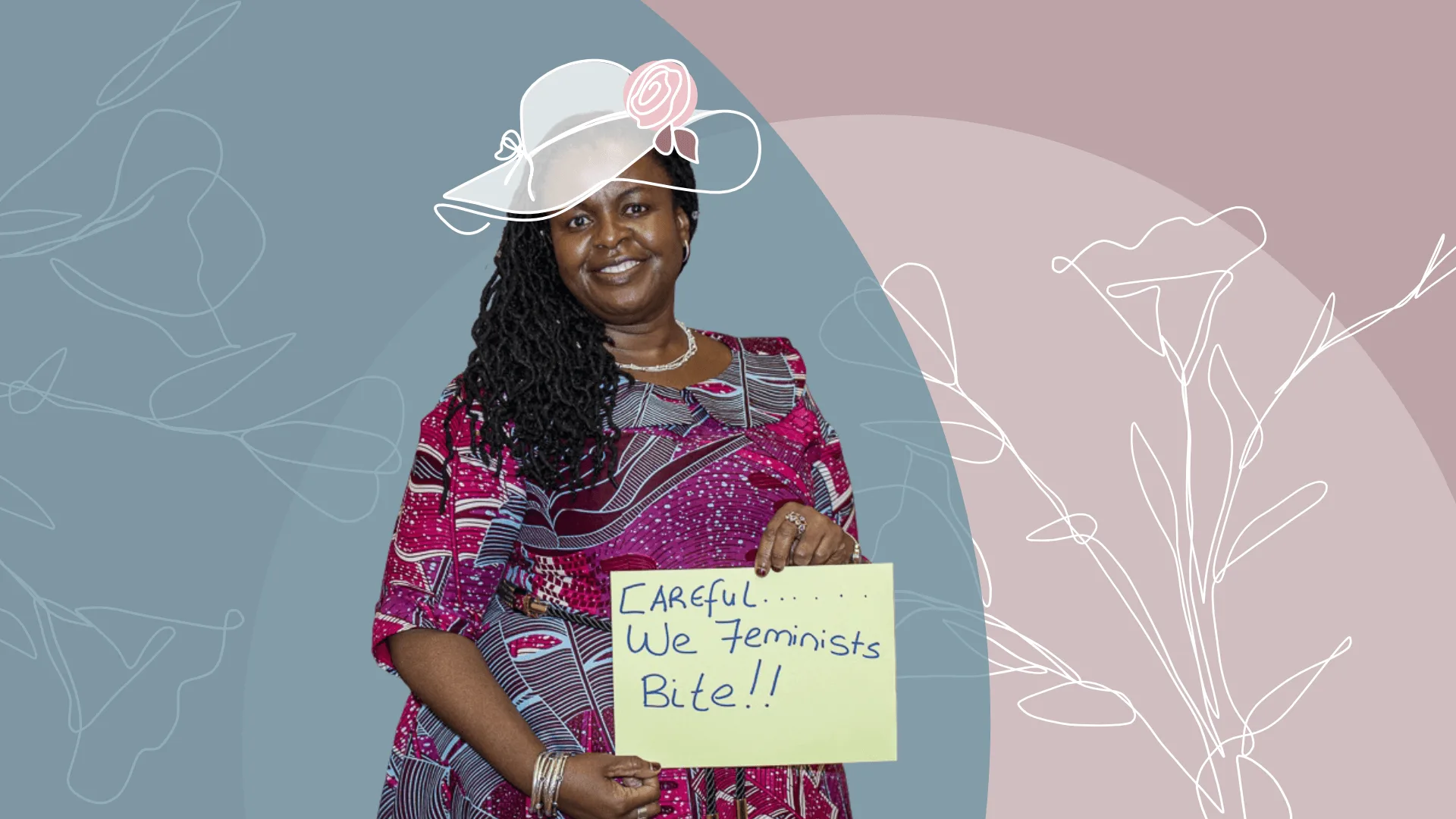
When we preserve the whole, we protect the truth: EJ was not a symbol. She was a full human being — mentor, organiser, mother, thinker, and joy-carrier.
Why memory is political
There are many reasons people want movements to forget:
- Because memory exposes patterns of harm.
- Because memory reveals who benefited from injustice.
- Because memory gives people language for their experience.
- Because memory strengthens solidarity across time.
When we archive, we interrupt that cycle. We create evidence. We create continuity. We create a home for the stories that shaped the movement.
The archive as a place of belonging
For many people, finding EJ’s work will not be an academic moment — it will be personal.
It will be the feeling of:
- “Someone has named what I couldn’t name.”
- “I’m not alone.”
- “My anger makes sense.”
- “My joy is allowed.”
An archive can be a refuge for the mind and spirit — a place where people meet a lineage and realise they come from somewhere powerful.
How you can be part of the memory work
Memory becomes strongest when it is shared responsibly. You can support living memory by:
- Contributing a story — a short reflection, a lesson, a moment you remember.
- Sharing materials — photos, programmes, talks, articles (with context and permissions where needed).
- Supporting the archive — archiving takes time, care, and resources.
We want to preserve EJ’s legacy with integrity: truth-telling, consent, and respect for the people in the stories.
Remembering as a form of action
In a world that benefits from our silence, remembering becomes a strategy.
To archive EJ’s legacy is to say: we were here. We built. We resisted. We loved. We organised. And we will not be erased.
If you want to explore, visit Legacy. If you want to support, you can donate. If you have something to contribute, use the contact page or the Email button in the site header.
Memory is a radical act — and we are committed to practising it well.